Today, we pause to honor and stand in solidarity with survivors and victims of conflict-related sexual violence in countries enduring prolonged conflict. Afghanistan remains one of the most affected, scarred by decades of war and instability.
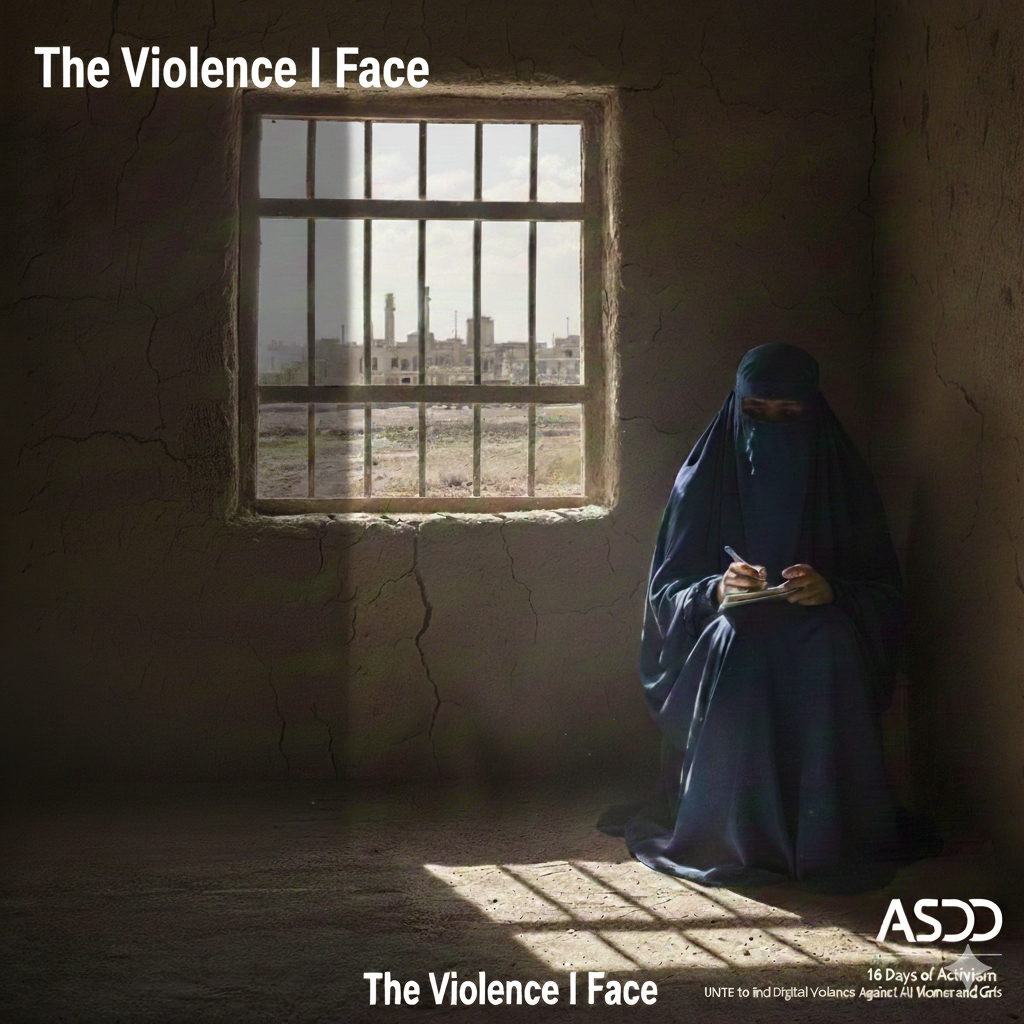
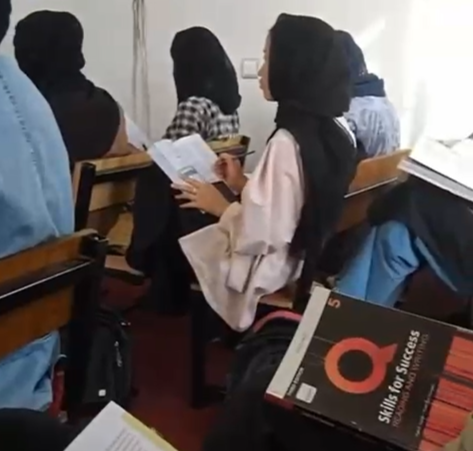
Under the de facto rule of the Taliban, Afghanistani women face systemic and institutionalised oppression. They are banned from attending school beyond the age of 12, excluded from most forms of employment, and restricted from freely accessing public spaces, including hospitals. Reports increasingly document arbitrary arrests of women and acts of sexual harassment in detention facilities.
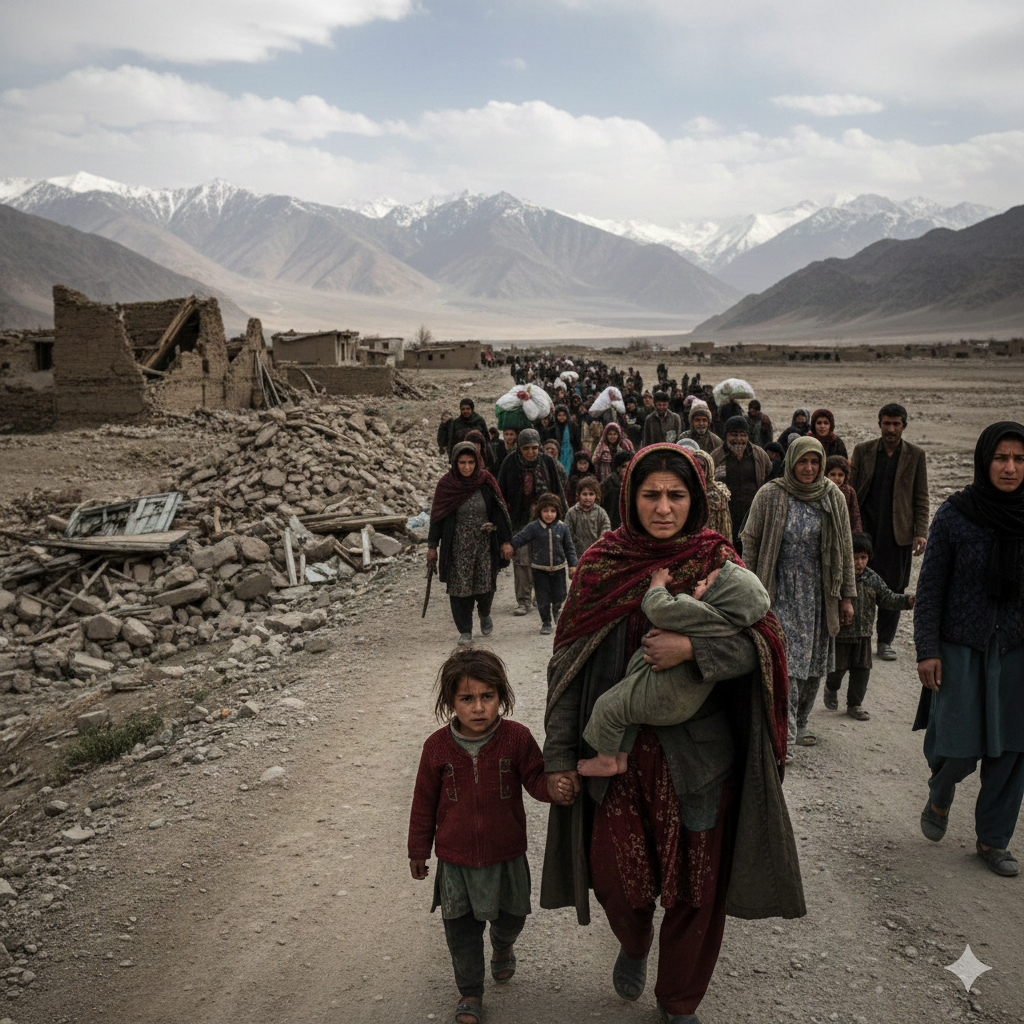
Disturbingly, practices such as Bacha bazi (sexual exploitation of boys) persist, and sexual violence is weaponised to oppress certain ethnic groups. Forced displacement, often targeting marginalised communities, further heightens women’s vulnerability to sexual violence. Children, particularly girls, are coerced into forced marriages, sometimes with Taliban members, representing another deeply concerning form of conflict-related sexual violence.
Despite Afghanistan’s long history of conflict, there is a severe lack of documentation and reporting from survivors. Most have no access to support systems or justice mechanisms. Fear of stigma, honour-based violence, and the pressures of a deeply patriarchal society silence many. Medical and mental health support is virtually nonexistent. These acts are not isolated—they form part of a broader pattern of systemic oppression, deepening the humanitarian crisis in the country.
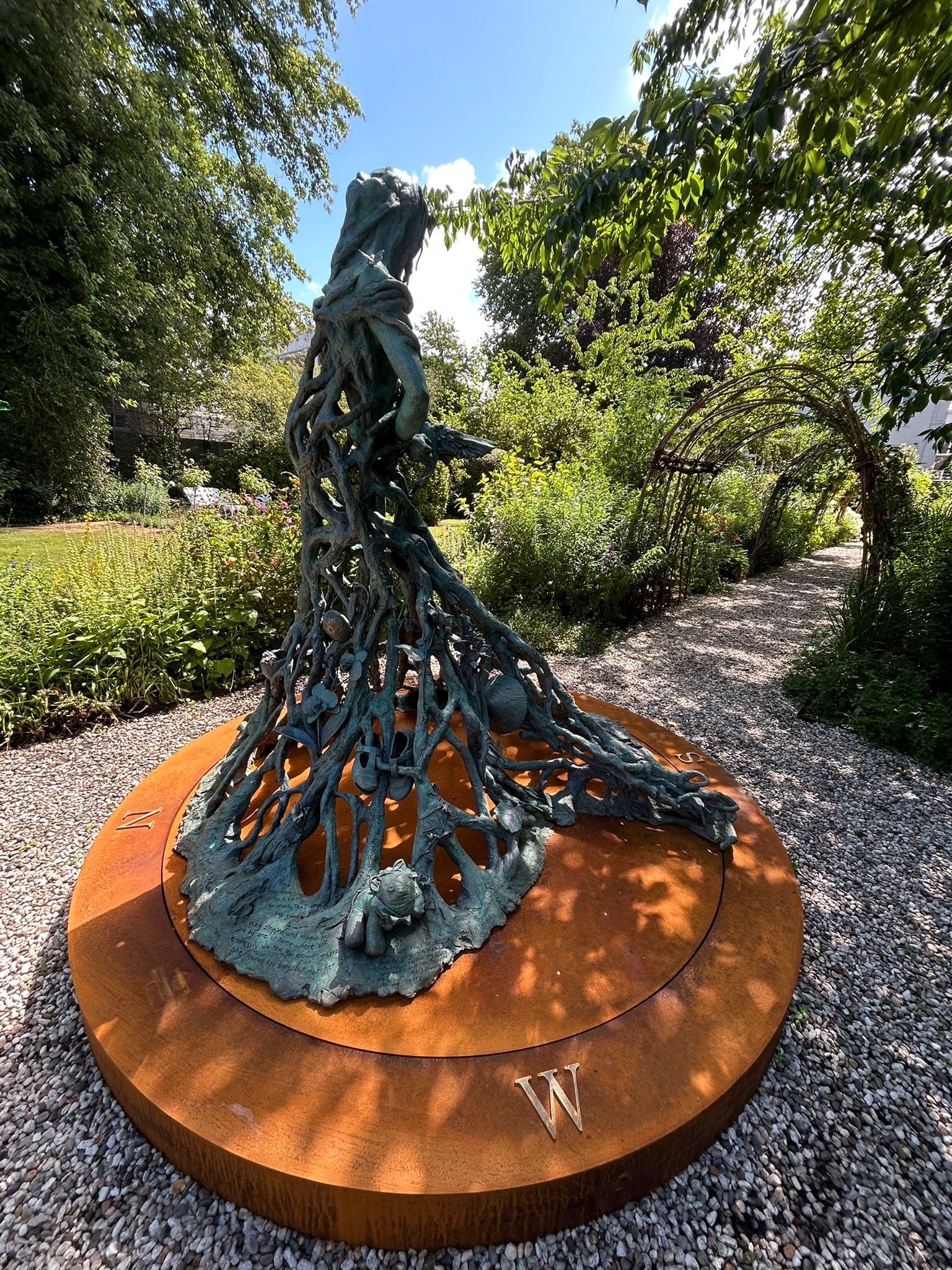
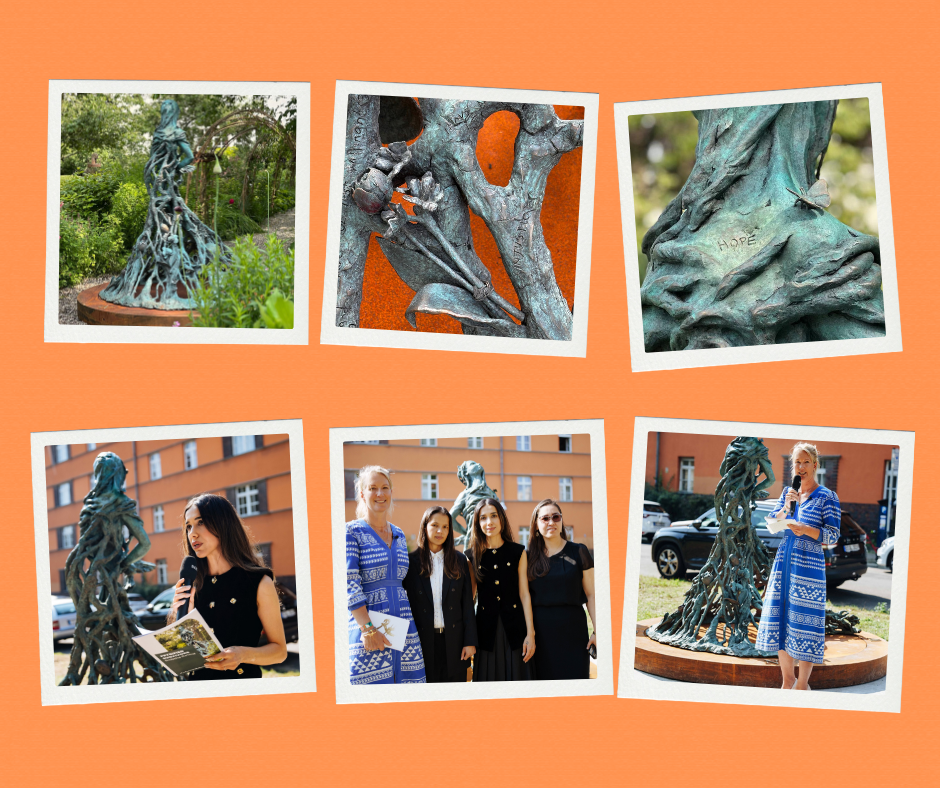
On this day, we also spotlight Petrified Survivors, the world’s first memorial dedicated to survivors and victims of conflict-related sexual violence (CRSV). Created by Rebecca Hawkings in Berlin, this powerful memorial makes visible the pain and resilience of survivors. Over 20 anti-CRSV organisations contributed to Petrified Survivors, sharing symbols and quotes from survivors to amplify their voices and stories.
ASDD had the honour to contribute to Petrified Survivors by introducing two powerful symbols:
- The Red Tulip Posy – blooming after a harsh winter, this flower symbolises renewal and the return of life. It reflects how Afghanistani women, even after immense suffering, continue to bring hope and healing to their communities.
- The Almond Flower – traditionally embroidered into fabric by Hazara women for generations, it symbolises cultural identity, quiet defiance, and collective memory. Each stitch, like each survivor’s voice, resists erasure and honours dignity.
Alongside these symbols, ASDD shared two deeply moving quotes:
- From survivors: “Men on both sides of the conflict have even turned women’s bodies into battlegrounds in their relentless pursuit of power.”
- Verses from poems chosen by Hazara women survivors: “We are Hazara with almond eyes… We have not lost our willingness… We rose from the ashes of our bones and we’ll keep rising.”
We honour the resilience of survivors, acknowledge the atrocities they endure, and reaffirm the urgent need for global attention, protection, and accountability for victims of conflict-related sexual violence.